
Basalt Fiber Wool Production
Description of the opportunity
Definition and terminology
Basalt fibre wool is a form of mineral wool with a wide range of insulation applications. Most basalt wool is referred to as stone wool or rock wool (although it is important to note that Rockwool is a trademarked brand of Rockwool International). This opportunity relates to the manufacture of stone wool primarily for use as an insulation material in buildings and industry.
Note: The term mineral wool is sometimes used to refer to stone wool to distinguish it from the more common fiberglass. However, fiberglass wool is technically a type of mineral wool and market reports referring to mineral wool will use this classification. Therefore, terminology needs to be treated with caution as it does not used consistently and does not always provide clarity on the material composition.
Applications
The primary application of basalt wool is as an insulation material in buildings (cavity wall, cladding, roofs, flooring). It also has broader use in marine and industrial applications (Figure 28) where its superior insulation, sound proofing and fire resistance is valued. New applications are constantly being researched. One niche application is as a growth medium in horticulture and in the creation of vertical and rooftop gardens.

Figure 28: Some applications of basalt wool
Drivers and barriers for adoption of basalt wool:
There are a number of factors driving adoption for basalt wool. The importance of these factors varies between applications but they can be summarised as follows:
- Superior temperature insulation and sound proofing (to fiber glass insulation in particular)
- Rising standards for energy efficiency driving adoption of higher performance materials
- Superior fire retardant properties coupled with rising fire safety standards
- Increased trend for environmentally friendly recyclable materials
- Hydrophobic (preventing mold and mildew growth)
- Some state sponsored insulation initiatives favor stone wool
Barriers to adoption:
- 25-50% higher cost
- Can be harder to handle (heavier, harder to cut)
- Less availability and awareness
Initial research suggests that in some geographies stone wool is more commonly adopted in commercial buildings such as residential or commercial tower blocks. This is because the superior sound insulation and fire retardant properties are more valued in these larger structures.
Composition of stone wool
The composition stone wool varies amongst manufacturers, but generally comprises a range of volcanic rocks including basalt and often a range of additional recycled materials. Wool made from entirely or primarily from slag is technically slag wool, but it is often incorrectly called stone wool or rock wool.
Some manufacturers have claimed that the majority of stone wool manufactured in China is actually slag wool (not basalt wool). Stone wool made from basalt is claimed to have superior properties to slag wool. Leading brand manufacturers like Rockwool International highlights their use of basalt in their products, to differentiate from the lower performance slag wool products.
Market of the opportunity
Major global insulation materials can be divided into three broad categories:
- Glass wool
- Stone wool
- Plastic wools derived from fossil fuels, for which there are several types. Plastic wools include Expanded Polystyrene (EPS), Extruded Polystyrene (XPS) and Polyurethanes (PU and PIR)
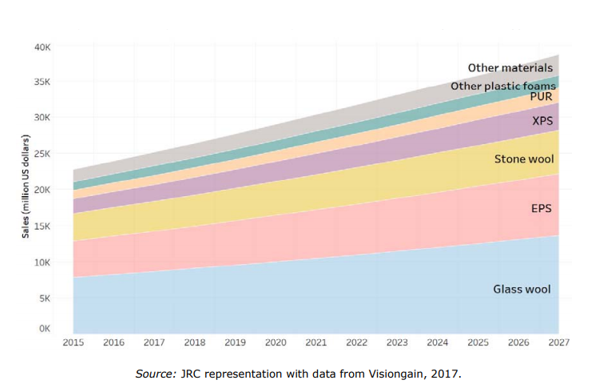
Figure 29: Global market for building insulation by material type: 2015-2027
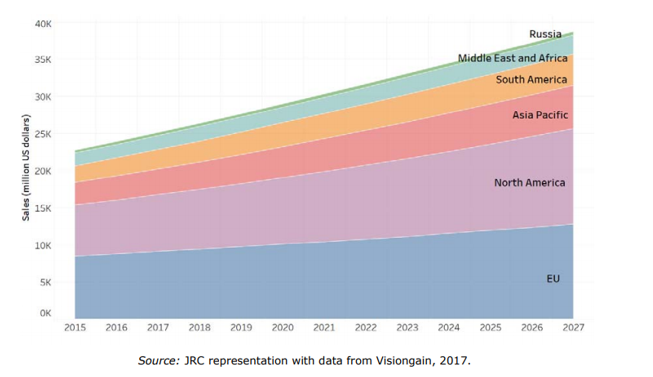
Figure 30: Global building insulation market by region: 2015-2027
The global market forecast as reflected in Figure 29 and Figure 30 for all thermal insulation in buildings was US$ 22.73 billion in 2015 and is projected to increase to US$ 38.69 billion by 2027 (Visiongain, 2017).
Stone wool is well established material in the global market, accounting for roughly 20% of all revenue at close to US$ 6bn in 2019. Basalt wool contributes a large portion of this market, (slag is also believed to account for a significant proportion of insulation material).
Insulation material is ultimately a high-volume product in a commodity marketplace, although there is some scope for niche value added applications. Competition is varies across regions with low cost incumbent materials (fiberglass, slag wool) in addition to emerging alternative substitute materials representing the main competition.
Stone wool based upon using basalt, without addition of materials such as slag, is positioned as a premium form of stone wool, due to its superior insulation properties.
Oman is geographically well positioned to access some global markets, particularly in Asia. Research indicates that Asian markets are currently served by lower quality forms of stone wool such as slag wool. However, there may be an opportunity for a high quality product in some regions. Rockwell International (the leading global producer of basalt wool), target regions in Asia where there is demand for premium quality insulation.
Regional Markets:
According to our research,there is one producer of Basalt wool insulationmaterial in theGCC region. This is a positive sign that there is demand for this type of insulation material in the region, but it also represents competition. The capacity of this factory, nature of its products and its ability to meet regional demand will provide an important indicator to the viability of having another factory based in Oman.
Ansel Rock Wool Company is located in Dubai represents an example of a regional manufacturer exporting similar insulation products internationally (Asia, GCC, Middle East, Europe). However, it is not clear that they have product derived from basalt.
Oman Market:
According to Oman Import statistics, the domestic market for mineral wool insulation materials was just over $29m in 2018, ($12.5m for stone wool ; $16.15m for glass fiber).
There is the potential for a substantial proportion of the $12.5m stone wool market to be captured by a domestic manufacturer if price competitiveness can be achieved. A share of the remaining market for glass fiber insulation may also be replaced with a stone wool product in some scenarios.
The size and accessibility of the domestic market can be evaluated in more detail by understanding the needs and demands of the major insulation material buyers in Oman. The degree to which a domestically produced stone wool can replace the incumbent products and suppliers will depend upon how much its superior performance is valued. Regulations could assist in stimulating the market in these instances.
Exploration of markets where stone wool products have become more prevalent than glass fiber presents one avenue of further investigation. This will help establish a model for what environments (geographic, economic, climatic and other) are conducive to the success of these products. Portugal is one country where stone wool products are understood to be very popular. Given Portugal’s temperate costal environment is one positive sign that these products may be popular in Oman and local regions.
SWOT Analysis
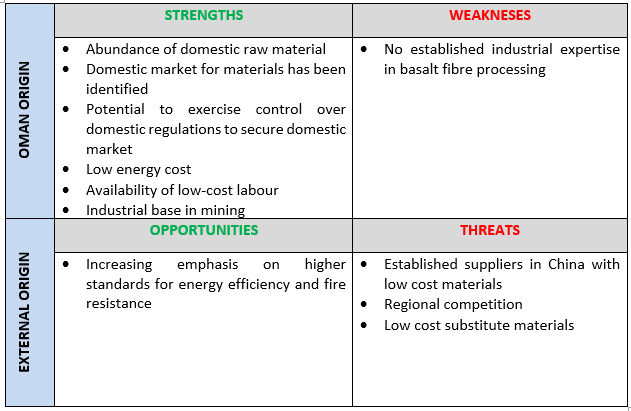
Table 9
Key technical trends
Stone wool is a high volume, low cost material in a commoditised market. As such technical trends in this field relate to:
- Production optimization: Improve production efficiency and quality for existing products
- Product diversification: Introducing a more diversified range of products for different niche application. For example, application of water repelling agents for products usage in areas which require greater rain proofing
- Addressing perceived product drawbacks: One example is so-called dual density products which seek to reduce the overall density of stone wool yet retain its advantages of improved temperature and acoustic insulation
Typical production facilities
Production of stone wool utilizes a different process to continuous fiber production. The following example (Figure 31) illustrates a generic manufacture line for the process of stone wool. (Source: European Insulation Manufacturers Association):
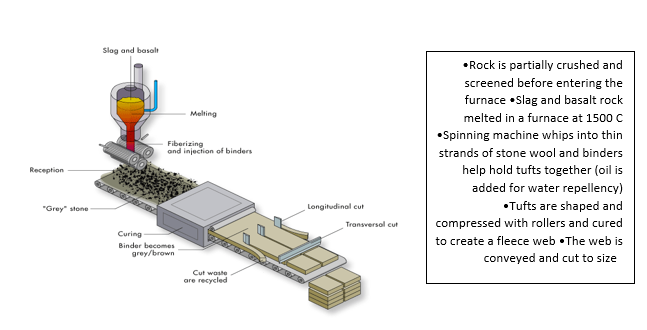
Figure 31: Process line showing the manufacturing of stone wool
GoodRich MAGMA Plasmatron Technology:
GoodRich MAGMA Industrial Technologies offers third generation basalt wool production (Figure 32) which they claim to be more economical compared to previous technologies. This technology utilizes high temperature plasma to melt the basalt rock and high velocity air to generate the insulation fiber material (as opposed to alternative higher cost centrifugal methods). Illustration of the technology below:
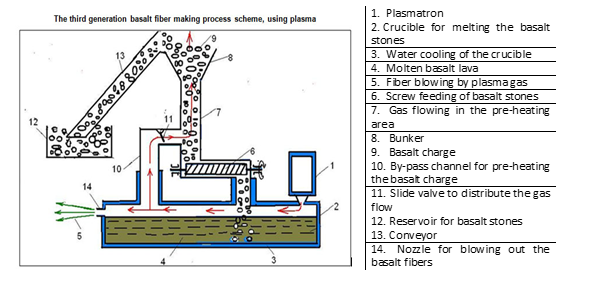
Figure 32: GoodRich MAGMA Plasmatron Technology for the manufacturing of basalt wool
According to GoodRich MAGMA, this requires 2-3 million US Dollars investment for an 8,000 tons per year pure basalt fiber plant, requiring 1-2 MW power, equating to an estimated USD 500 per ton production cost. Estimated sale price per ton is in the region of USD 1,500 per ton. Lines with capacity up to 80,000 tons per year are available.
STM Technologies:
STM Technologies (Italy) is another supplier of stone wool production lines. The company has presence in Italy, China and Russia and has installed full lines in Europe, Russia and Ukraine. Rock wool production lines range from 2 to 10 tons/hr (10,000 tons/year to 65,000 tons/year), and are fully automated thanks to PLC and Scada systems.
Business Canvas
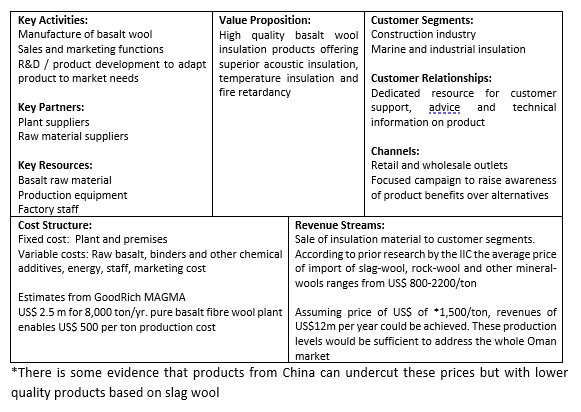
Table 10
Further Information
This page provides an introduction and overview of the nature of the selected opportunity. For more detailed information or to get involved with this opportunity, please contact Talal Al Wahaibi at the IIC: Talal.AlWahaibi@iic.om