
- About the ceramic design business incubator
Observations from global scouting show that successful commercial development of the high-level design ceramics industry requires a large pool of artistic talent (see below figure for illustration). This talent pool will compete with each other, experiment with designs and find a market for their products and individual style. Most will fail to commercialize, but not usually because of a failure in design, these failures are more often to do with inadequate commercial / marketing skills.
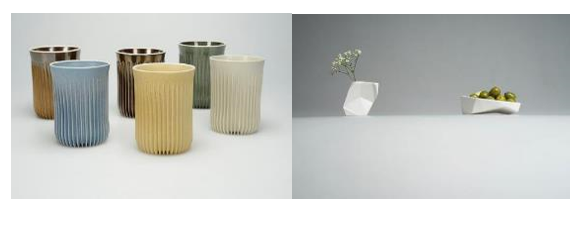
Figure 60
Once a designer has found a customer base and interest in their brand, commercial success requires commercial and business development skills. It is assumed that the large pool of design talent will be developed elsewhere (such as the pottery lab and higher education), and designers who demonstrate the most commercial potential will be supported by the ceramic design business incubator. This facility should be the logical destination for the very best graduates of Omani ceramic design talent.
The journey that the designer must navigate is broadly as follows:
- Education and practice in art / fine art / design (not necessarily ceramics)
- Development of intermediate ceramic manufacturing skills
- Development of a unique design approach and recognizable style – a design story / brand
- Further development of advanced design and manufacturing skills – glazes and clays
- Promotion of designs / brand – shows / exhibitions / competitions / on-line
- Manufacture / packaging / branding development / photography
- Dealing with print and TV media
- Web presence – social media
- Achieving Initial sales / orders / expressions of interest – pricing, negotiation and contracts
- Dealing with rejection and setbacks
- Adjusting to market /customer tastes
- Working with clients on commissions
- Understanding manufacturing systems, finance, general management business skills
- Business plan writing
The purpose of the design incubator is to assist Omani entrepreneurs from stage 3 onwards. It can be considered an elite version of the pottery lab; for the very best design talent to commercialize their design ideas. It is therefore important for this facility to be separate from the pottery lab, so that it forms its own culture of exclusivity and high standards.
The end point is for the successful designers to have achieved a critical mass such that they can set up their own business, justified by a sound business plan and evidence of sales. Or if they are already set up in business, to significantly accelerate their development.
[/expand]
- About the market for the high-end design Incubator
The target market is for high price, high quality pieces with a distinctive brand story. For tableware these may be functional pieces for regular use, or as show pieces for occasional use. Other functional pieces may include lighting, incense burners, urns or vases. Ornamental, artistic pieces are also in scope. It may be that other materials are used, such as wood or metals as part of a collection.
Pricing for single pieces can be relatively modest to high – typically starting at OMR 22 up to OMR 800 and above.
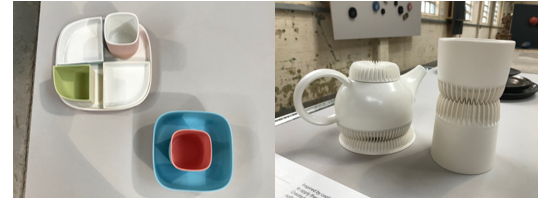
Figure 61
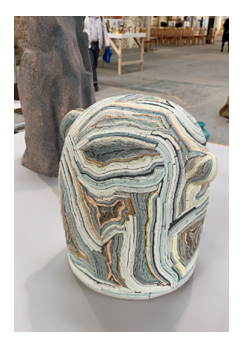
A key message from several designers and experts is that success in the market is elusive. As with the art market there needs to be an emotional connection between the design and the buyer. On the one hand, the designer needs to be “true to themselves”, which may risk being unappealing to buyers. On the other hand, designers that look only to make what sells, can feel a lack of inspiration and engagement with the design process. Buyers are also looking for uniqueness, a special buying experience and the feeling that they will own something that none else has, or to own something that only exclusive people own.
Routes to market for the designers are high end retailers, art galleries, direct website sales, trade shows / exhibitions – in Oman and export. Another important route to sales are specifiers and influencers, especially interior designers.
The incubator needs to market and brand itself to attract the best designers. In turn the cluster of top designer will attract attention from media, academia and potential purchasers of products. The designers themselves will be sub brands benefitting from the “halo” effect of the reputation of the incubator.
Services to the Designers
From scouting we suggest that designers would have access to support services in line with the list in section 3.3.1:
- Branding and marketing expert – 10 hours free support per month
- Small-scale production services – Contract manufacturing at low rates
- Slip casting design guidance / glaze production guidance
- Training in CAD design / tool design and access to design facilities
- Specialist training courses / coaching in business planning and management
- Office space – low rates
- Could aim to host 5-10 companies / designers at one time
Access to the incubator might be time limited (e.g. 12 months) to encourage companies to grow and establish their own production facilities.
[/expand]
Typical facilities for ceramic design business incubator
The technology and production facilities required for the incubator are almost identical to the pottery lab. There should however be a greater emphasis on the ability to produce small production runs using labour other than the designer themselves. This will require larger areas for storage of molds, and larger kilns than is necessary for the pottery lab.
A high-quality exhibition space should be provided for designers to present their work and act as a shop window. This will automatically create an interesting focal point for visitors, media, and stakeholders.
- Canvas
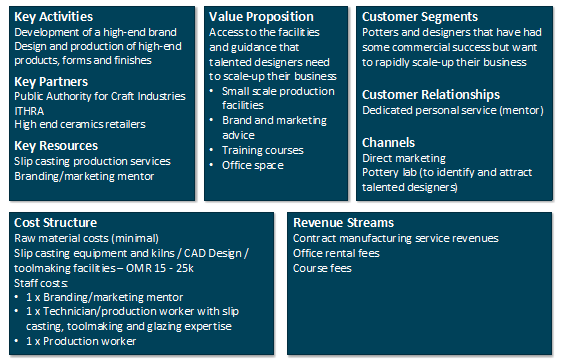
Figure 63
Further Information
This page provides an introduction and overview of the nature of the selected opportunity. For more detailed information or to get involved with this opportunity, please contact IIC: info@iic.om