
PRODUCTION PROCESSES
A number of processes can be used to produce magnesium metal and other magnesium-containing products. The processes, discussed below, are well established and are currently being commercially used. They rely on magnesite as the starting material. Thus, their applicability to Oman will depend on whether magnesite containing commercially viable quantities of magnesium can be produced from mine tailings.
Production processes for magnesium metal
Magnesium metal can be produced by one of three processes:
-
The silicothermic process or the Pidgeon process mixes calcined dolomite or magnesite with ferrosilicon (a combination of iron and silicon metal) to produce a magnesium vapour which is then condensed in cooling vessels to form magnesium metal.
-
The electrolytic process uses magnesium chloride produced from either magnesite, seawater or brines rich in magnesium chloride. Magnesite is favoured as the source of magnesium because chlorine is recycled within the process rather than being disposed of as a waste or a by-product.
-
The Australian Magnesium Process developed in Australia involves dissolving pure magnesite ore in hydrochloric acid to produce magnesium chloride. The magnesium chloride is then purified, dehydrated to a dry feed and electrolysed in an Alcan cell. The molten magnesium is tapped from the cell and cast into ingots. The chlorine gas released is recycled and combined with hydrogen, from natural gas to produce hydrochloric acid for use in the process.
Production process for magnesia (magnesium oxide)
Magnesium oxide is produced by heating magnesium carbonate (magnesite) at atmospheric pressure, preferably as the mineral magnesite, to its dissociation temperature of about 800°C–1000°C.1
Production process for magnesium-based refractory materials
When calcined magnesia is heated to between 1530°—2300°C, the product produced is non-reactive and exhibits exceptional stability and strength at high temperatures. This product known as ‘dead-burned’ or ‘sintered’ magnesia is mainly used as a refractory material because of its inertness and high melting point.
When calcined or dead-burned magnesia is heated in excess of 2800°C in an electric arc furnace, electro-fused magnesia is produced. It has higher strength, resistance to abrasion and greater chemical stability than dead-burned magnesia. It is used in the manufacture of premium grade refractory bricks used in the high wear hot spots of Basic Oxygen Furnaces, electric arc or similar furnaces where temperatures can approach 950°C.
Production process for caustic magnesia for water treatment
When magnesite is heated to between 700°—1000°C, carbon dioxide is driven off to produce caustic-calcined magnesia (caustic magnesia). Caustic magnesia is able to absorb liquids and, heavy metals and ions from liquid streams making it useful in water treatment.
Other commercial technologies and processes
In addition to the above processes, other technologies/processes have been developed by companies to extract magnesium metal or produce chemicals using serpentinite mine tailings, which are relevant to Oman. Approximately 85% of the world’s primary magnesium (Mg) metal is produced in China using the Pidgeon process, which dates back to the 1940’s. This process is energy inefficient, labour intensive and polluting.
The alternative processes that directly use serpentinite mine tailings, are less carbon intensive compared to the Pidgeon process and likely to be more useful from Oman’s perspective are described below.
Cover Technologies Inc
Cover Technologies Inc (previously MagOne1) is a Canadian company listed on the Canadian Securities Exchange. The company developed a process to use waste tailings from abandoned asbestos mining operations as the feed source – these contain serpentinite. The process has a carbon footprint of 5-8 t CO2/t Mg compared with the worldwide average of 25.8 t CO2/t Mg of the legacy Pidgeon process.
The flagship process of the company is currently being used in asbestos mine tailing sites in Quebec, Canada with a Mg content of ~22- 23 %.2 A schematic of the process is shown in Figure 28‑3.
Cover Technologies Inc. is working on the following projects:3
-
Production of 99.9 pure magnesium (Mg) ingots using their proprietary process based on the aluminothermic reduction of MgO. They plan to produce up to 5000 tons of Mg per year4.
-
Assembly and sale of magnesium-based structural insulated sheathing panels for building construction5.
-
Production of high-purity silicon dioxide (SiO2), magnesium oxide (MgO), magnesium hydroxide (Mg[OH]2). They plan to produce up to 30,000 tons of MgO and 33,000 tons of amorphous silica using their proprietary process6.
-
Further commercialization work on its MagPower fuel cell/battery that supplies emergency power, light and recharging for disaster relief and other emergency situations on land and sea7.
Commercial feasibility: The company is currently in the FEED (Front-End Engineering Design) stage to build a 30,000 ton per annum high purity magnesium oxide demonstration plant to be located in South-eastern Quebec. The plant will use the company’s patented technology. The company has secured CAD3.6 million (US $2.81M) for the FEED study as well as 110 million tons of serpentinite tailings.8
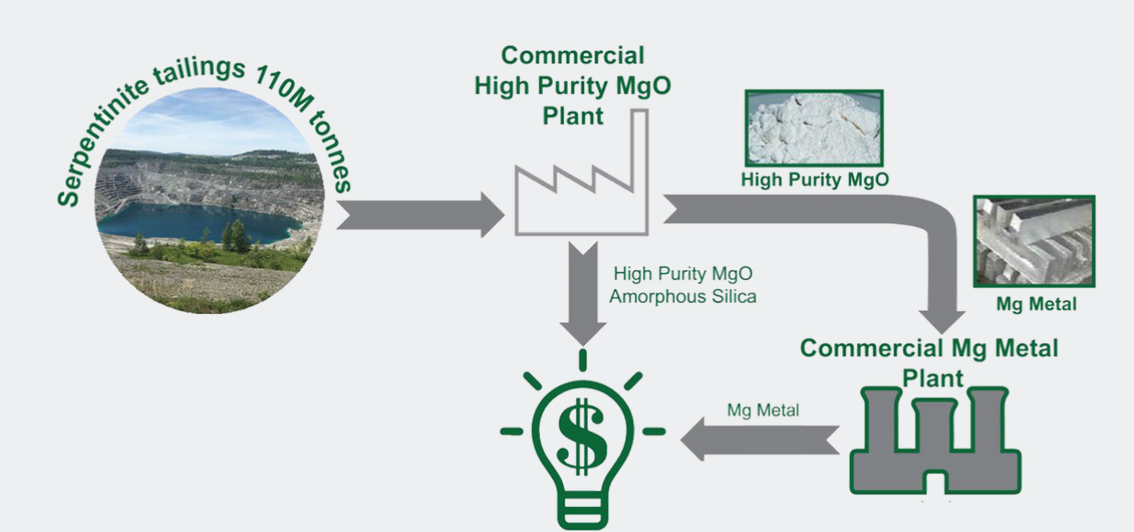
Figure 28‑3 Proprietary hydrometallurgical process to extract MgO from serpentinite tailings by MagOne (Canada)
Alliance Magnesium
Alliance Magnesium, also a Canadian company, has developed a process for manufacturing magnesium metal ingots from serpentine mine tailings. In addition, the company also recycles magnesium scrap from the metals processing industry to produce ingots. The company plans to use renewable energy for its manufacturing process as it has access to hydroelectricity produced within the region.1
Alliance Magnesium has access to millions of tons of serpentine mine tailings (23.3% MgO2) and is in the process of commercialising their technology. See Figure 28‑4 for commercialisation phases.3
Pilot plant: To demonstrate technology feasibility, the company established a pilot plant to optimise manufacturing conditions. Investment for the plant was CAD16 million (US $12.5 million). Technology feasibility was demonstrated successfully.
Commercial feasibility: The company has now raised CAD145 million (US $113 million) to produce 18,000 T of magnesium annually from mine tailings and recyclable magnesium, as a demonstration of commercial feasibility. The company is currently building its plant and plans and was scheduled to begin commercial feasibility testing in 2021. However, COVID-19 may have delayed this phase.
Commercial plant: The next phase is building and operating a commercial plant with a capacity of 50,000 T per year. This is scheduled to begin construction in 2022, however may be delayed.
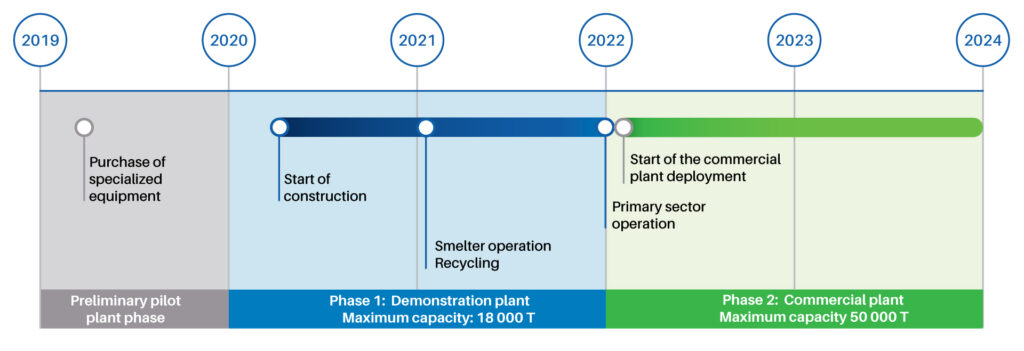
Figure 28‑4: Alliance magnesium technology development and commercialisation status
Project in Oman
Kunooz Oman Holding, one of the largest private-led mining and mineral processing companies in Oman, which is 20% owned by Oman’s sovereign wealth fund, has applied for a mining license to exploit a dolomite mine in Qurayat, Muscat Governorate1. The dolomite resource in the mine is estimated to be over 250 million tonnes. Kunooz plans to produce up to three million tonnes per annum of raw dolomite. Depending on the magnesium oxide content, which is yet to be evaluated, the ore will be segregated as either high-grade or low-grade dolomite. Magnesium metal will be produced from the former, while the low-grade dolomite, with less than one per cent silica, will be exported to steel producers abroad.
Business canvas for Magnesium
Figure 28-5 shows the business canvas for magnesium extraction from chromium mine tailings. Oman has an opportunity to exploit this waste stream and extract value from it, however it would require a considerable amount of investment, as demonstrated in the case of the company Alliance Magnesium.
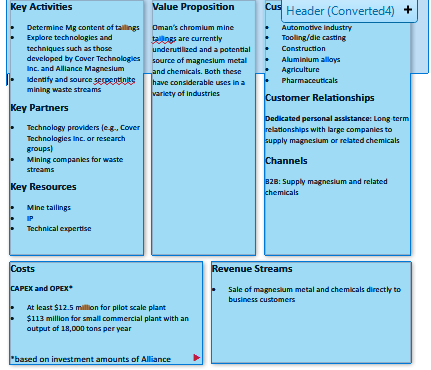
Figure 28-5. Business canvas for magnesium extraction from chromium waste streams.
Next steps
Next steps
-
Determine the concentration of magnesium present in mine tailings. Concentrations of between 20-23% are likely to be needed to make extraction financially viable.
-
Determine concentrations of other minerals within the tailings, which may influence the processing method that can be used.
-
Determine the total volume of tailings available for magnesium extraction.
-
Identify technology provider and relevant expertise for operating production process. Alliance Magnesium and Cover Technologies are potential partners for technology/process acquisition and expertise.
-
Undertake detailed assessment of technical and commercial feasibility.
-
Prepare business plan.
-
Seek funding.